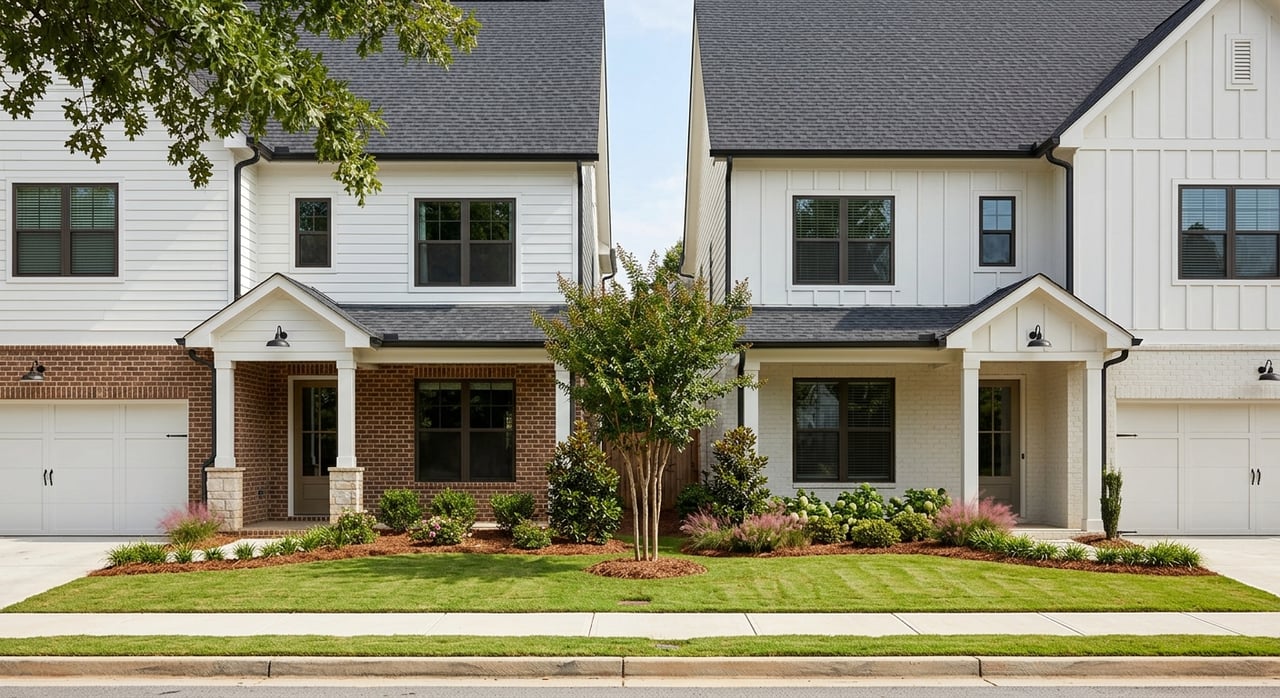
How to Compare New Construction in McDonough, GA
If you are comparing new construction options in McDonough, it is easy to get distracted by model homes, design packages, and grand opening specials. But the best choice usually comes down to something more practical: how the builder, floor plan, lot, and timeline all fit your real life. When you know what to compare and where details can change from one community to the next, you can make a more confident decision. Let’s dive in.
McDonough is planning for continued growth through high-quality development, according to the city’s 2024-2028 Comprehensive Plan. The plan lists a population of 32,654 and notes that about half of the city’s land use is low-density residential. For you as a buyer, that helps explain why new construction remains an important part of the local housing picture.
It also helps explain why one new neighborhood may feel very different from another. McDonough’s zoning code includes several single-family districts, including RA-200, R-100, R-85, R-75, and R-50, along with a conservation-subdivisions chapter. In plain terms, new homes in McDonough are not one-size-fits-all, and differences in lot size, density, and neighborhood layout can be meaningful.
The wider Henry County market adds another layer. The U.S. Census Bureau estimated Henry County’s population at 259,315 as of July 1, 2024, and properties outside McDonough city limits may follow Henry County planning and zoning rules instead of city rules. That is why comparing communities starts with location details, not just price and square footage.
Before you compare builders, upgrades, or timelines, confirm whether the property is inside McDonough city limits or in unincorporated Henry County. McDonough’s Community View Mapping tool can help you check parcel details, city-limits status, and council district information. The city also says map information should be verified directly with staff before you rely on it.
This first step matters because jurisdiction can affect planning and zoning oversight, utility steps, and parts of the permit process. If two homes look similar online, they may still fall under different local frameworks. That can shape everything from how the lot is handled to how the closing timeline unfolds.
A beautiful model home can make a strong first impression, but it should not be the only thing you use to evaluate a builder. In Georgia, residential and general contractors must be licensed, and the state says buyers can verify contractor or subcontractor licenses through the Georgia Secretary of State. McDonough’s residential permit packet also requires current state contractor license information.
That means license verification should be part of your builder comparison checklist. It is a simple but important way to confirm that the company building the home meets state licensing requirements. If a builder uses subcontractors, asking questions about who is doing the work can also help you feel more informed.
You should also ask each builder for two very specific documents:
This step matters because standard features can vary widely from one builder to another. Model homes often include upgraded finishes, and items not listed as standard are typically treated as upgrades. If you want a fair comparison, put each builder’s base offering side by side before you fall in love with the design center.
When you tour new construction, it is easy to focus on finishes like countertops, flooring, and lighting. Those matter, but structural options usually deserve even more attention. Features such as a bonus room, an extra garage bay, or an extended garage are often much harder and more expensive to add later.
That is why your comparison should go beyond the brochure. Ask yourself which features affect how you will actually live in the home over time. A home with fewer cosmetic upgrades but a better layout may deliver more long-term value for your household.
In McDonough, lot selection deserves just as much attention as the house plan itself. The city’s permit packet shows how important lot-specific details are by requiring items such as house-location plans, utility documentation, and a recorded plat in some cases. For buyers, that is a reminder that the lot is not just background. It is part of the product.
When you compare lots, pay attention to more than whether one backs up to trees or sits on a corner. Practical questions can make a big difference in day-to-day use and long-term satisfaction.
Here are smart lot questions to ask:
McDonough’s zoning framework also points to dimensional requirements and conservation-subdivision standards, which means neighborhood layout can vary. Two homes with the same floor plan may feel completely different depending on setbacks, spacing, and how the streetscape is designed.
New construction has more moving parts than many buyers expect. McDonough’s residential permit packet notes that applicants may need a water-meter receipt if the home is served by the county, or a water and sewer application if it is served by the city. That means utility service should be part of your comparison from the beginning.
This is one reason lot-specific questions matter so much. The exact address and jurisdiction can affect which local steps still need to happen before closing. If you want fewer surprises, ask what has already been completed and what is still outstanding for your specific lot.
One of the biggest differences between new construction and resale is timing. With resale, you usually work toward a known closing date based on the seller’s schedule and the contract terms. With new construction, the home must move through permits, inspections, site work, and final approvals before occupancy can happen.
McDonough’s Building and Inspection Division says permits must be in place before work begins. The city also states there is no extra expediting process, and inspections requested before 4 p.m. are generally handled the next day, while later requests may be pushed out. Those details may seem small, but they can affect the overall pace of construction.
The city’s land-development permit materials also say that no certificate of occupancy will be issued until site improvements are complete. That means weather, utility hookups, final inspections, and punch-list items can all affect your move-in date. If you are timing the sale of your current home, a lease ending, or a school-year move, this is a critical part of the comparison.
Ask each builder where the home stands right now and what steps remain before closing. A home that appears almost done may still have important items left before it can legally be occupied.
Finishes get a lot of attention, but warranty coverage deserves the same level of review. The FTC says a builder warranty is different from a home warranty or service contract, and coverage depends on the builder and the contract. Many new-home warranties cover workmanship and materials for about one year, systems such as HVAC, plumbing, and electrical for about two years, and some structural defects for up to 10 years.
Those time frames are common, but they are not automatic. You should ask for the written warranty terms and read how claims are handled. The FTC also notes that many warranties require mediation or arbitration for disputes, so it is smart to understand that process before you sign.
Because the home is brand new, some buyers assume an independent inspection is unnecessary. That can be a costly mistake. The CFPB recommends scheduling an independent home inspection as soon as possible, attending if you can, and using the inspection contingency to negotiate repairs or cancel if the results are unsatisfactory.
That advice is useful for new construction too. A third-party inspection can help identify issues before closing, when they are often easier to address. Even a well-built new home can have items that need correction.
If school attendance is part of your decision, treat it as a due-diligence item tied to the exact property address. Henry County Schools says students must attend the school in their attendance zone and provides an enrollment-zone locator by street address. The district also offers bus-route information connected to the address search.
That means you should verify the attendance zone for the specific lot you are considering, not just the neighborhood name or marketing materials. This is especially important when you are comparing homes near community edges or city-limit lines.
If you want to compare new construction options in McDonough clearly and calmly, use a four-part framework: builder, plan, lot, and timeline. Looking at all four together gives you a more complete picture than focusing on upgrades alone.
Here is a simple checklist you can use:
The best new construction home in McDonough is not always the one with the flashiest model or the biggest incentive. It is the one that makes sense when you compare the builder, the plan, the lot, and the timeline together. When you take that broader view, you can spot tradeoffs earlier and make a decision that fits both your budget and your daily life.
If you want a steady, organized approach while comparing new construction in McDonough, Cyndi Williams can help you sort through the details and move forward with confidence.
I listen to your needs and utilize the best information and market data to guide, inform and equip you with the best negotiation position. From the first phone consultation, I will listen intently and ask appropriate questions to ensure I understand your expectations throughout the process.