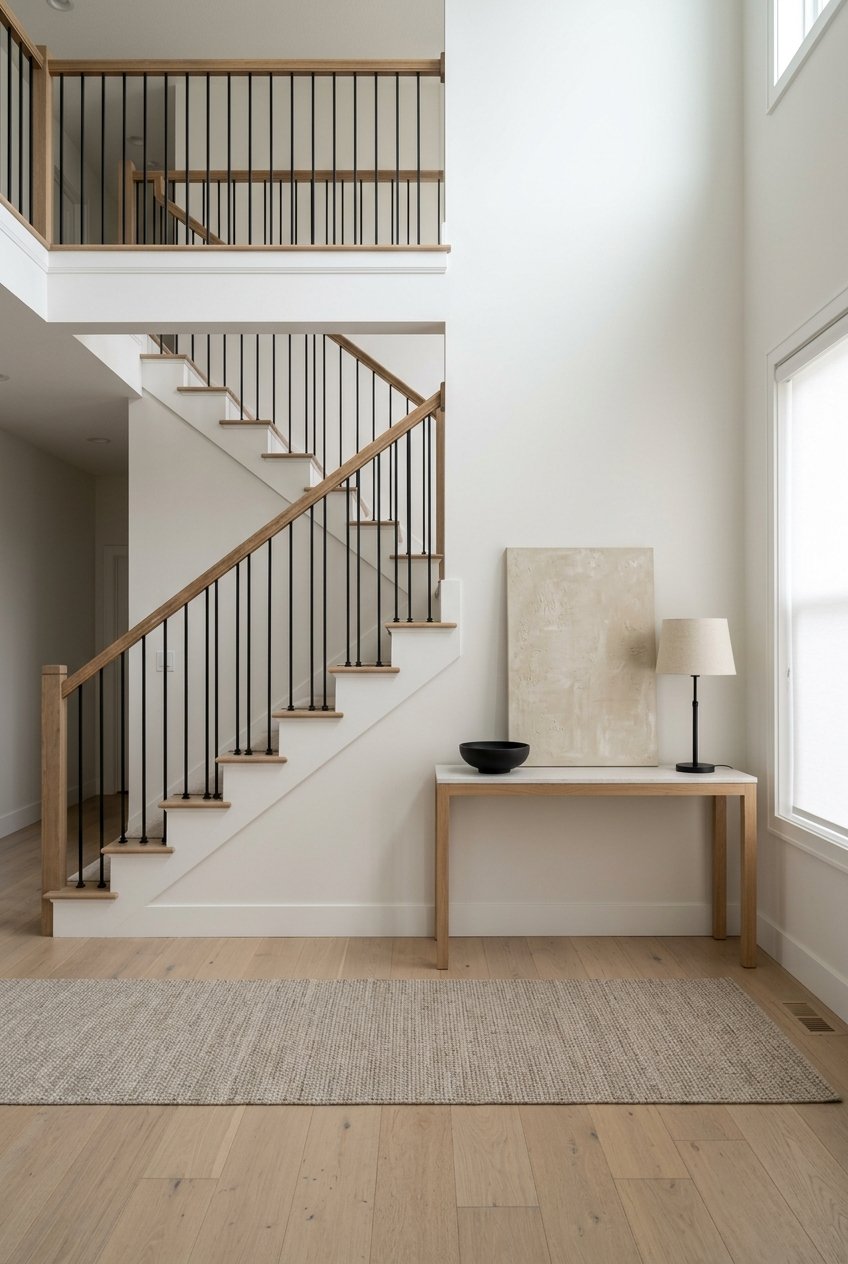
What To Expect When Selling In Peachtree City, GA
Selling your home in Peachtree City can feel like a lot to manage at once. You want a strong price, a smooth timeline, and a plan that helps your home stand out in a market that is active but not frantic. The good news is that when you know what buyers are looking for and how the local process works, you can make smarter decisions from day one. Let’s walk through what you can expect when selling in Peachtree City, GA.
If you are selling in Peachtree City, it helps to start with the current market reality. Recent local market data for ZIP code 30269 showed 214 active listings, a median listing price of $625,000, a median sold price of $639,900, 52 days on market, and a 98% sale-to-list ratio in April 2026.
That points to a balanced market, not an overheated one. In practical terms, buyers still have options, which means pricing, presentation, and marketing matter a lot. You may still sell well, but you usually should not expect buyers to overlook condition or stretch far beyond market value.
Peachtree City offers a lifestyle that many buyers already have in mind before they ever schedule a showing. The city’s 100-plus miles of multi-use paths connect neighborhoods, shopping, recreation, lakes, and other daily destinations, so convenience and access often play a big role in buyer interest.
That means your home’s location story matters. If your property offers convenient path access, easy access to retail or recreation, or other day-to-day advantages, those details should be clear in your listing remarks, photos, and showing prep. Buyers should not have to guess what makes your home practical for daily living.
Many sellers ask when they should list. According to Realtor.com’s 2026 timing research, the best national week to list was April 12 through April 18, and sellers in the South may see more benefit from early spring timing because inventory is more active.
For Peachtree City, the smart takeaway is not to chase one perfect date. Instead, think about a spring to early summer launch if your home is ready, while also paying attention to your personal timeline, local competition, and prep quality. A well-prepared home listed at the right price will usually outperform a rushed listing posted on a supposedly ideal day.
One of the biggest surprises for sellers is how much happens before the home officially hits the market. Realtor.com’s seller research found that 53% of sellers took one month or less to get ready, but the same guidance recommends starting well before your target listing date.
Preparation often includes more than you expect. It is not just about cleaning up. It is also about understanding repairs, tightening up presentation, and removing distractions so buyers can focus on the home itself.
The National Association of Realtors recommends estimating the cost of any major repair, even if you do not plan to complete it before listing. That way, you can make informed pricing and negotiation decisions instead of reacting under pressure later.
Basic prep items can also go a long way, including:
Before listing, it is also smart to collect manuals, warranties, and guarantees for appliances or systems that will stay with the home. NAR’s consumer guide notes that missing paperwork can slow down the final closing stage.
This is a small step, but it can make the transaction feel much more organized for both you and the buyer.
Most buyers will meet your home online before they ever step inside. That first impression matters more than many sellers realize. According to NAR guidance on online visibility, 81% of buyers said photos were the most useful feature in their home search.
That means your home needs to be photo-ready, not just clean enough for everyday life. Bright, uncluttered spaces usually photograph better and help buyers understand the layout faster.
Staging can help too, even if you only stage key areas. NAR’s 2025 staging report found that 83% of buyers’ agents said staging made it easier for buyers to picture the property as a future home. The rooms most often staged were the living room, primary bedroom, dining room, and kitchen.
Staging is not required, but thoughtful presentation can make your listing feel more polished and easier to connect with. In a balanced market like Peachtree City, that can help your home stand out early.
Once your home is live, flexibility becomes part of the job. Fannie Mae’s seller guidance says buyers may tour at different times, sometimes with little notice, so sellers should keep the home clean, secure valuables, and make sure pets are safely managed.
This phase can feel disruptive, especially if you are still living in the home. The best approach is to expect a period of inconvenience and create a routine that makes last-minute showings easier. A simple daily reset can reduce stress and help you stay ready.
Not every listing gets immediate offers. In Peachtree City’s current market, with homes taking roughly 52 to 56 days on average and selling close to but not always at asking price, it is important to watch buyer response carefully.
If showings are light or feedback points to the same concerns, it may be worth discussing pricing changes or incentives instead of waiting too long. In a balanced market, early strategy changes can protect momentum.
When offers come in, the highest price is not always the strongest offer. Fannie Mae advises sellers to look at the full package, including terms like the closing timeline, inspection period, and contingencies.
A strong offer might include a competitive price, reasonable timelines, and fewer obstacles between contract and closing. A higher offer with difficult terms or more uncertainty may not be the better deal.
When comparing offers, sellers usually look closely at:
Once you and the buyer agree, the contract generally sets the inspection period, closing date, and other important deadlines. This is where having a steady, organized process really helps.
Going under contract is a big milestone, but it is not the finish line yet. There are still inspections, deadlines, buyer-side financing steps, and final closing preparations to manage.
In Georgia, the closing process has one key difference that many sellers from other states do not expect. According to the Georgia Association of REALTORS® legal FAQ, real estate closings in Georgia are attorney-led because the state considers closing the practice of law.
Georgia consumer guidance notes that existing-home contracts commonly set closing 30 to 90 days out. A final walk-through usually happens before closing so the buyer can confirm the home’s condition and agreed-upon terms.
At closing, ownership transfers and you receive your proceeds after mortgage payoff and other sale costs are handled. Fannie Mae also notes that taxes and utilities are typically prorated at closing, so reviewing the settlement paperwork carefully is important.
If you like to know what is coming next, here is the selling process at a glance:
If you are selling in Peachtree City, the biggest thing to expect is a market that rewards preparation. Buyers have choices, so your home needs a clear pricing strategy, strong presentation, and a plan for handling showings, feedback, and negotiations.
The process does not have to feel overwhelming when you break it into steps. With the right guidance, you can prepare your home well, launch with confidence, and move through contract and closing with fewer surprises.
If you are thinking about selling in Peachtree City and want a clear, organized plan, connect with Cyndi Williams for local guidance and a high-touch approach built around your goals.



I listen to your needs and utilize the best information and market data to guide, inform and equip you with the best negotiation position. From the first phone consultation, I will listen intently and ask appropriate questions to ensure I understand your expectations throughout the process.