Buying a Home in Fayetteville, GA: Townhome or House?
Trying to decide between a townhome and a single-family house in Fayetteville, GA? You are not alone. Buyers here often weigh price, space, maintenance, and HOA rules before they choose. In this guide, you will learn how each option fits your budget and lifestyle, what to expect from HOAs in Georgia, and how to protect your resale value. Let’s dive in.
Fayetteville’s market shows a wide range of reported medians because different sources track different things. Recent summaries place the city’s median between roughly 320,000 and 510,000 depending on whether it is listing price, closed price, or a valuation index. Days on market commonly range from about 50 to 80 days, which can shift seasonally in a smaller market. Plan on verifying the exact neighborhood numbers before you write an offer.
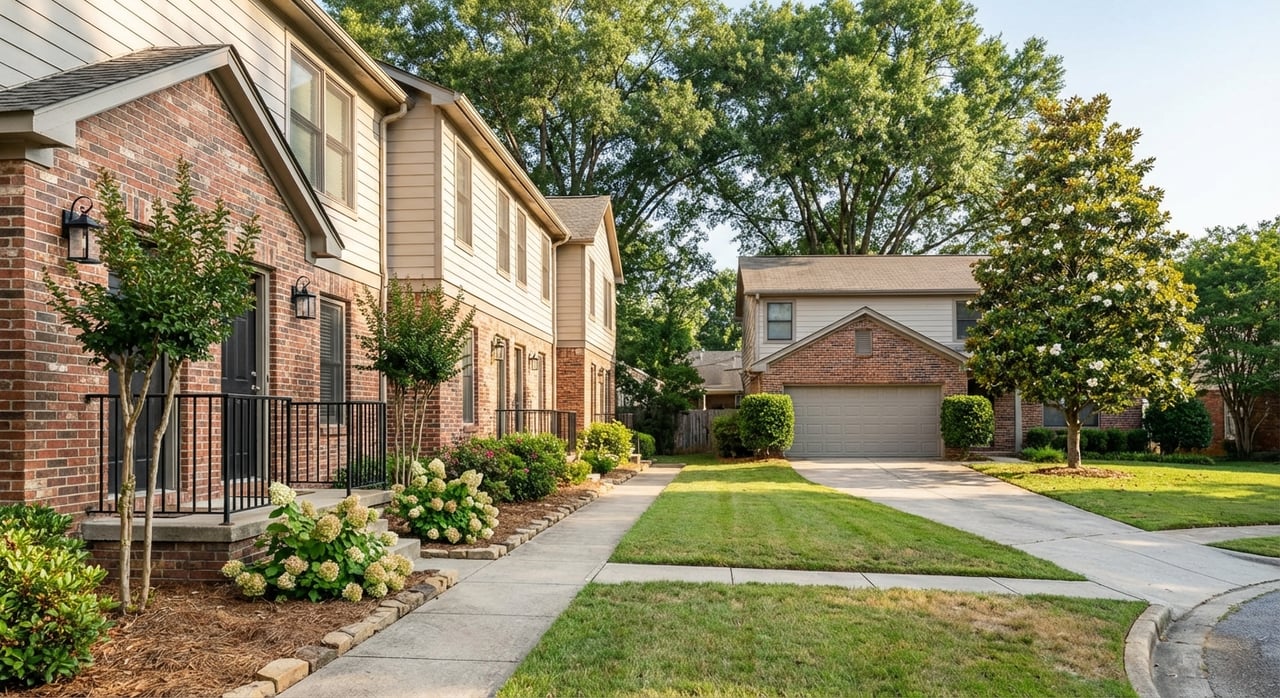
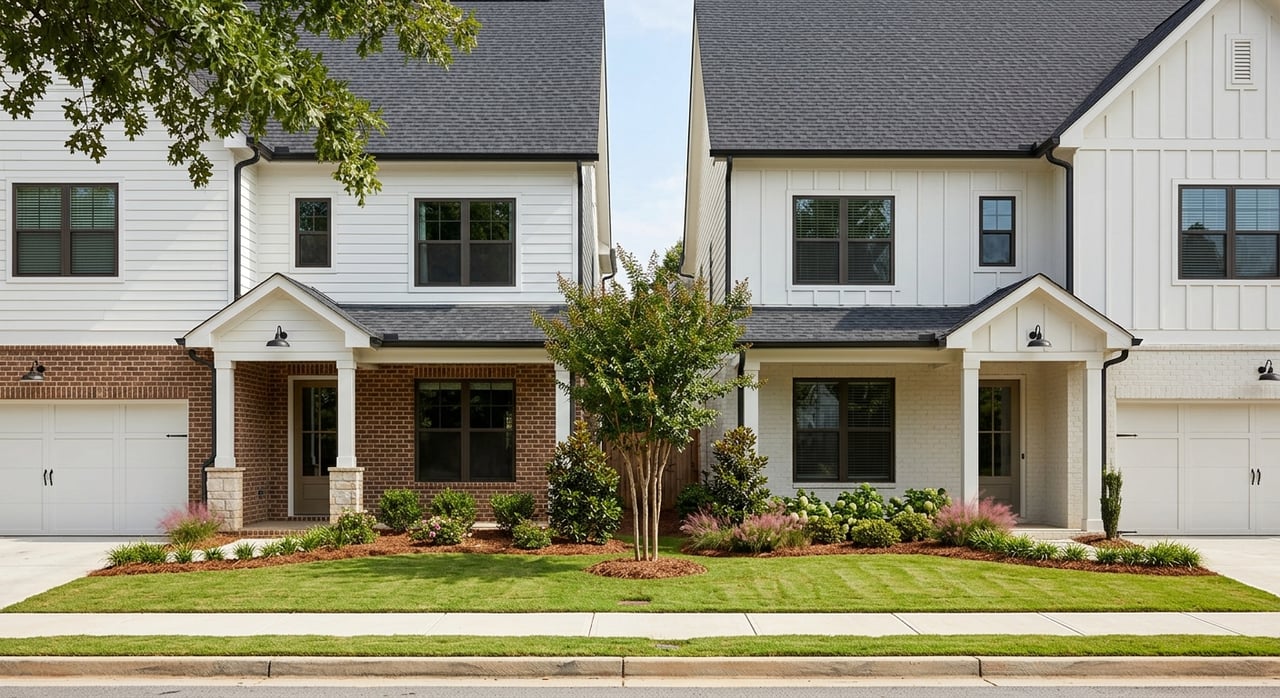
Most of the housing stock in Fayetteville is single-family detached homes, which means you will likely see more house options than townhome options. Townhomes exist in smaller clusters, often near shopping or downtown. The city is investing in walkability through its Livable Centers Initiative, so expect more mixed-use and attached-home lifestyle choices near downtown over time.
Commute times are typical for Atlanta suburbs. The city’s mean travel time to work sits in the low to mid 30 minutes range, according to U.S. Census QuickFacts. If you value shorter drives and walkable errands, a townhome near downtown may fit. If you want a bigger yard and privacy, a single-family home further from the core may make more sense.
A simple planning rule is to budget about 1 percent of the home’s value per year for routine maintenance. For example, a 400,000 house might warrant about 4,000 per year, or roughly 333 per month, as a baseline. This is a planning estimate from The Balance’s home maintenance guidance.
Townhome and condo-style HOAs are common, and nationally about 44 percent of U.S. listings now carry HOA fees with a median around 135 per month, according to recent reporting summarized by Metro Atlanta CEO. In metro Atlanta, many townhome dues fall in the 150 to 400 per month range depending on amenities and what the HOA covers. Always confirm the exact coverage, budget, and reserves.
Insurance needs depend on ownership structure. Townhome and condo buyers often carry an HO-6 policy that covers interiors, personal property, and liability while the association’s master policy covers common areas and sometimes exteriors. Single-family homes use an HO-3 policy that covers the entire structure and outbuildings. Ask the HOA for the master policy type and limits so you can close any gaps. For a clear explanation of HO-6 versus HO-3, see Amica’s guide to condo vs homeowners insurance.
Georgia sits in the “termite belt,” so prevention and inspections are a must. The University of Georgia Extension recommends routine termite inspections and appropriate treatment plans for owners in the state. Review the HOA’s pest policy if you are buying attached housing, and plan for HVAC servicing to handle summer heat. Learn more from UGA Extension’s termite guidance.
HOAs affect your costs, lifestyle, and resale. Here is what to check in Fayetteville and across Georgia.
Single-family homes often draw a broader buyer pool in suburban markets, so they may be a bit less price sensitive. Townhomes tend to appeal to first-time buyers, downsizers, and low-maintenance seekers. That narrower pool can make townhomes more price sensitive, and strong HOA management becomes a key value driver.
Days on market and price per square foot shift by neighborhood. In some suburbs, townhomes sell a little slower and for a slightly lower price per square foot than comparable-condition single-family homes because many buyers prioritize private yards and lot size. In Fayetteville, proximity to downtown Fayetteville or Peachtree City shopping and the neutral reputation of Fayette County Public Schools as a strong district are consistent resale drivers. Ask your agent for 12 to 24 months of sold comps for your street or development before you set expectations.
| Factor | Townhome | Single-family house |
|---|---|---|
| Typical Fayetteville price context | City medians have ranged roughly 320,000 to 510,000 across data providers and timeframes. Verify by neighborhood. | Same market context. Neighborhood comps drive price more than citywide medians. |
| Space and lot | 1,200 to 2,200 sq ft typical in metro area, small yard or patio, shared walls. | Larger lots and private yards, more expansion flexibility. |
| Layout | 2 to 3 stories, bedrooms stacked, attached garage or driveway. | 1 to 2 stories, living on main level, detached feel. |
| HOA fees | Common for townhomes. Many local examples run 150 to 400 per month based on amenities and coverage. | May or may not have an HOA. Dues often lower if present, especially without amenities. |
| Maintenance planning | Exterior often included, but confirm details. Compare dues to the 1 percent maintenance rule. | Budget about 1 percent of value per year as a starting point for maintenance. |
| Insurance | Typically HO-6 for interiors, paired with HOA master policy. | Typically HO-3 that covers the entire structure and outbuildings. |
| Property taxes | Taxes are calculated by applying the county’s millage rate to the assessed value. See the Fayette County Tax FAQ. | Same calculation. Contact the Tax Commissioner for current millage and assessments. |
| Commute and location | Often closer to downtown amenities and planned walkability. | Often farther from the core with more privacy and yard space. |
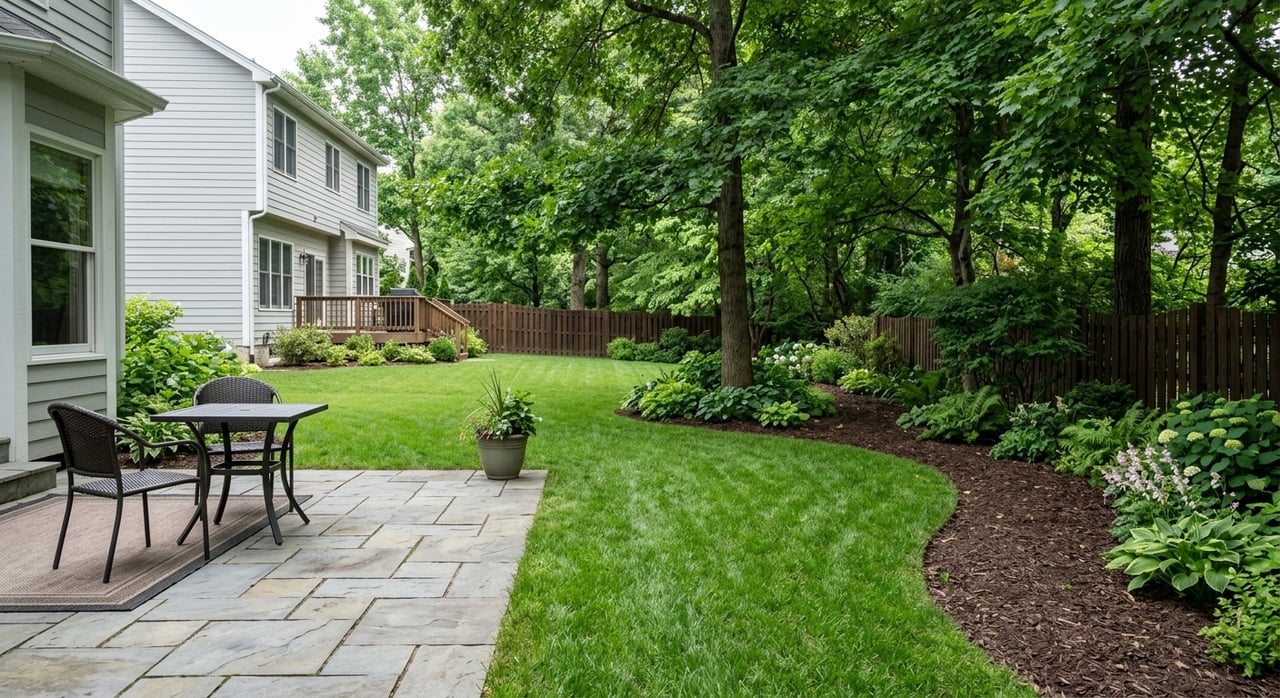
| Lifestyle fit | Low maintenance, lock-and-leave, near shops and events. | Space for pets, gardening, and outdoor projects. |
Start with lifestyle, then layer in cost. If you want walkability, lower maintenance, and a smaller footprint, a townhome near downtown Fayetteville can be a strong fit. If you prioritize a private yard, future expansion, and maximum control over your property, a single-family home likely suits you better.
Next, model the monthly number. Add principal, interest, taxes, and insurance. Then add either your HOA dues plus a smaller maintenance line for a townhome or a larger maintenance line for a single-family house using the 1 percent rule as a starting point. Finally, review resale factors like school reputation, lot size, and location within the city to align with long-term goals.
Ready to talk through options, neighborhoods, and real numbers for your price range? Schedule your free consultation with Cyndi Williams to compare specific homes, HOA documents, and comps so you can buy with confidence.
I listen to your needs and utilize the best information and market data to guide, inform and equip you with the best negotiation position. From the first phone consultation, I will listen intently and ask appropriate questions to ensure I understand your expectations throughout the process.