Peachtree City Parks and Paths and the Lifestyle They Create
What if your daily routine did not start and end in the car? In Peachtree City, that idea feels a lot more realistic because the city’s shared-use path system, parks, lakes, and nature areas are built into everyday life. If you are wondering what it actually feels like to live here, this guide will help you picture the rhythm of life along the paths and parks. Let’s dive in.
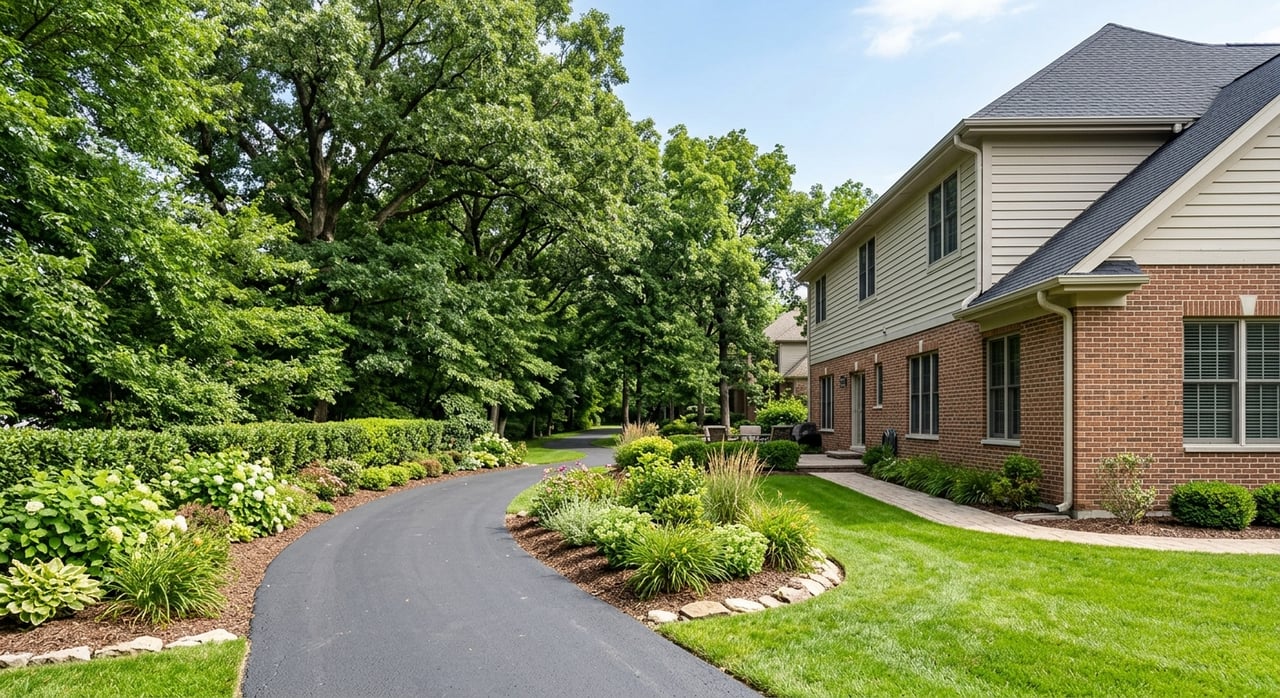
Peachtree City is known for its shared-use path system, and the city says it now includes more than 100 miles of paths. These paths connect neighborhoods with shopping centers, schools, recreation spaces, office and medical parks, places of worship, and lakes. That setup makes the network more than a scenic extra. It is part of how many people move through the city.
The city also notes that the paths are used by pedestrians, cyclists, and motorized carts. For many residents, that means daily errands, exercise, and recreation can all happen on the same connected system. Instead of treating outdoor time as a special event, you may find it woven into your normal schedule.
Another part of the appeal is the setting. The city describes routes that move through wooded scenery while linking practical destinations. That gives Peachtree City a lifestyle that feels both connected and outdoors-focused at the same time.
In many suburbs, getting from one place to another almost always means driving. In Peachtree City, the path network offers another option for local trips. The city says the system is increasingly used for commuting to work, school, and recreation.
That can change how a typical day feels. A quick trip to a shopping area, a ride toward a recreation center, or a walk through shaded stretches of path can become part of your routine. For buyers who value convenience and outdoor access, that combination often stands out.
The city also highlights bike-friendly routes on Huddleston Road, Dividend Drive, and Robinson Road, along with maps and app tools for wayfinding. If you are new to the area, those resources can help you learn how the network connects different parts of the city.
The path system gets a lot of attention, but the parks matter just as much. Peachtree City says it has more than 40 parks, fields, and recreation centers. The Recreation & Special Events division also oversees more than 400 acres of parks and sports fields.
That scale is important because it shows outdoor living is not limited to one destination. Instead, green space is spread throughout the city in a way that supports everyday use. Whether you enjoy casual walks, organized sports, playground time, or community gathering spaces, there are multiple places to plug into city life.
City-listed recreation facilities include the Peachtree City Athletic Complex, Meade Memorial Park, Riley Field Complex, Kedron Fieldhouse and Aquatic Center, McIntosh Trail Recreation Complex, Glenloch Recreation Complex, and Braelinn Recreation Complex. The city also lists smaller neighborhood spaces such as Beaver Dam Park, Big Pine Park, Kedron Park, Luther Glass Park, and Picnic Park with Luther Holt's All Children's Playground.
If you want one place that captures how Peachtree City blends recreation, nature, and events, McIntosh Trail Recreation Complex is a strong example. The city describes it as a 50-acre hub in the heart of Peachtree City. It includes walking trails, a BMX track, a dog park, Flat Creek Nature Preserve, and the Frederick Brown Jr. Amphitheater.
That mix says a lot about the local lifestyle. You can have active recreation, quiet nature access, and community entertainment tied into one area. For many buyers, that kind of overlap is what makes a neighborhood feel lived-in rather than simply planned.
Peachtree City also includes three lakes: Lake Peachtree, Lake Kedron, and Lake McIntosh. The city says these lakes provide scenic views and recreational opportunities while also serving as water sources for Fayette County. They add another layer to the city’s outdoor feel, especially for people who enjoy water views or spending time near the shoreline.
One detail worth knowing is that access is not the same at every lake. According to the city, Lake Peachtree is city-owned and reserved for residents and guests. Lake Kedron is county-owned and open to the general public, while Lake McIntosh is county-owned with use limited to Fayette County residents unless a non-resident pass applies.
That distinction matters if lake access is high on your list. It is helpful to understand that the lakes are a meaningful part of the Peachtree City lifestyle, but the access rules vary by location.
The city also notes that anyone age 16 or older needs a Georgia fishing license to fish. It states that city ponds are reserved for residents and guests, pets must be leashed unless posted otherwise, alcohol is prohibited in parks and recreation areas, and swimming or wading is prohibited in city ponds.
Not every outdoor experience in Peachtree City centers on the main paths or athletic fields. The city’s nature areas add a quieter, more tucked-away side of local life. These spaces can be especially appealing if you want places to walk, pause, and enjoy a more natural setting.
Line Creek Nature Area is a 70-acre preserve with wooded trails, a creek, fishing spots, and rock outcroppings. Flat Creek Nature Area includes a boardwalk through wetlands. Somerby Woods offers soft-surface trails, and J.K. Chip Conner Island provides footbridge access and views of Lake Peachtree.
Together, these spots help round out the city’s identity. They give you options for more peaceful outdoor time while still connecting to the broader parks-and-paths lifestyle.
Outdoor living in Peachtree City is not just about scenery. It is also social. The city says its Recreation & Special Events division manages programs, classes, more than 50 special events each year, and the park and sports field system.
The city’s special-event guidance notes that approved events can include festivals, parades, runs, walks, and farmers markets, and that many events return annually. Exact dates change, of course, but the bigger takeaway is that the public calendar stays active. That can make it easier to feel connected to what is happening around you.
The Frederick Brown Jr. Amphitheater adds another dimension. The city describes it as a 2,000+ seat outdoor venue that hosts a range of headliner acts. This helps explain why living near parks and paths in Peachtree City is not only about exercise or convenience. It is also about having shared places where recreation and community life come together.
If you like staying active, Peachtree City offers more than casual walking paths. The city highlights a local running culture that includes the annual Peachtree City Classic Women’s 5K, Men’s 5K, and 15K Open. It also states that Peachtree City was designated an RRCA Runner Friendly Community in 2012.
That matters because it shows the outdoor network supports a wide range of activity levels. Some people may use the paths for a short evening walk. Others may build running, cycling, or regular recreation into their weekly routine.
This is part of what makes the city feel distinctive. Transportation, fitness, recreation, and social spaces are all layered together rather than separated into different parts of town.
If you are thinking about buying a home in Peachtree City, lifestyle may be one of the biggest reasons the area stands out. The city’s path network, broad park system, lakes, and nature areas create a pattern of daily life that feels highly connected to the outdoors. That can be appealing whether you are buying your first home or looking for a move-up property with strong community amenities nearby.
It also means your home search should go beyond square footage and finishes. You may want to think about how close you want to be to paths, recreation complexes, lakes, or quieter nature areas. Small location differences can shape how often you actually use the features that make Peachtree City special.
If you are selling a home in Peachtree City, the local lifestyle is an important part of your home’s story. Buyers are often drawn to how the city blends transportation, recreation, and green space into everyday living. A home’s relationship to paths, parks, and nearby outdoor amenities may help reinforce its appeal.
That does not mean every buyer wants the exact same thing. Some may prefer easy access to recreation centers and events, while others may be more interested in quieter paths or lake views. Clear, local positioning can help your home connect with the right audience.
A community like Peachtree City has a lifestyle that is easy to describe in broad terms but more nuanced when you look closer. Not every lake has the same access. Not every area offers the same feel. Some buyers want to be near active recreation, while others want a calmer pocket with quick path access.
That is where local, practical guidance matters. When you understand how people actually use the network of paths, parks, lakes, and event spaces, it becomes easier to match your home search or sale strategy to what matters most.
If you are planning a move in Peachtree City, Cyndi Williams can help you navigate the market with a clear, client-first approach and local insight tailored to your goals.
I listen to your needs and utilize the best information and market data to guide, inform and equip you with the best negotiation position. From the first phone consultation, I will listen intently and ask appropriate questions to ensure I understand your expectations throughout the process.