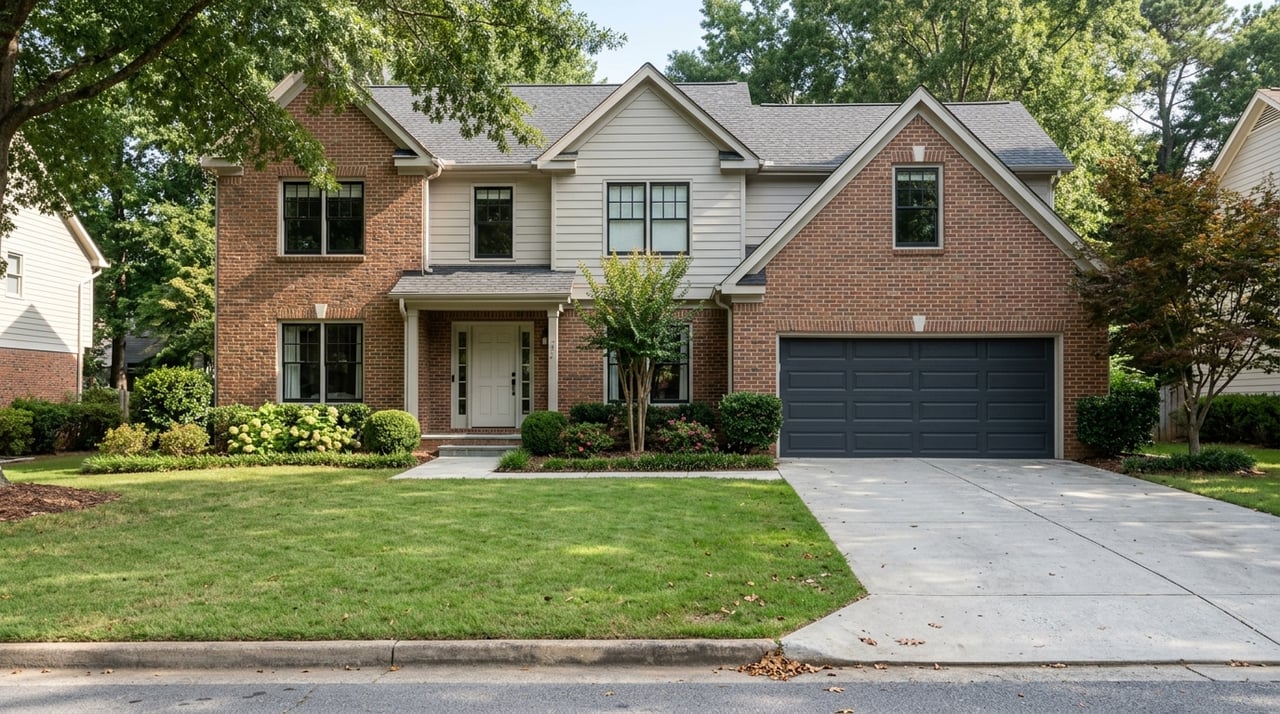
Living in Fayetteville GA: A Guide to Daily Neighborhood Life
Wondering what daily life really feels like in Fayetteville, GA neighborhoods? That question matters because a home search is not just about square footage or price. It is also about where you will run errands, spend weekends, commute to work, and enjoy the rhythm of everyday life. If you are thinking about moving to Fayetteville, this guide will help you understand how the city functions day to day and what kinds of neighborhood experiences you may find. Let’s dive in.
Fayetteville is a compact city in south Fayette County, about 20 miles south of Atlanta and roughly 15 minutes south of Hartsfield-Jackson Atlanta International Airport. Even with that convenient location, it does not feel like one big busy urban center. Instead, daily life tends to revolve around a few key areas that shape how you shop, dine, relax, and get around.
The city covers about 13 square miles and has an estimated population of 20,419 as of July 2024. It has also seen steady growth since 2020, which points to continued interest from buyers looking for a suburban setting with practical access to both local amenities and the larger metro area.
For many buyers, one of the biggest takeaways is that Fayetteville offers a stable, lived-in feel. Census data shows 69.0% owner-occupied housing, and 82.2% of residents were living in the same house one year earlier. That can appeal to people who want a place that feels established rather than constantly changing.
A helpful way to understand Fayetteville neighborhoods is to think less in terms of one single town center and more in terms of three everyday-use corridors. Your experience in Fayetteville may depend a lot on which area you use most often.
Downtown Fayetteville is the city’s historic core and one of its most active lifestyle areas. According to city materials, this district blends history, culture, commerce, local events, and community programming. It also benefits from free parking, which makes quick stops and casual outings easier.
This part of Fayetteville is where you will find a mix of local restaurants, shops, bakeries, breweries, and boutiques. City information highlights places like Twisted Taco, City Cafe & Bakery, Gremlin Growlers, Olde Court House Tavern, Junk Mama's General Store, and Town Square Jewelers. If you enjoy having a traditional downtown setting as part of your weekly routine, this area adds that option.
City Center Park strengthens downtown’s everyday appeal. Located behind City Hall and near the library, the park includes walking paths, a playground, a splash pad in warmer months, a dog park, picnic pavilions, and a large lawn. The nearby Ville Amphitheater, a 1,500-seat outdoor venue, adds another layer of activity to the area.
On the north side, Fayette Pavilion serves a different purpose. The city describes this 146-acre retail complex as an important regional draw, and for many residents it supports the practical side of daily life. This is where larger-format shopping and routine errands can become part of a simpler weekly pattern.
If you like the idea of having both a local downtown and a major retail corridor in the same city, Fayetteville stands out for that balance. Some buyers want charm for weekends and convenience for weekdays. Fayetteville gives you access to both.
The west side offers another distinct experience. Piedmont Fayette Hospital anchors this area with a 310-bed acute-care hospital and 24-hour emergency services. For some buyers, being near major health care is an important part of choosing where to live.
This side of town is also influenced by the nearby Trilith area, which official materials describe as a walkable community with homes, shopping, dining, trails, parks, lakes, pocket parks, courts, and a wellness center. That creates a more amenity-rich, master-planned feel than you might expect from a typical suburban corridor.
Because Fayetteville has multiple lifestyle hubs, neighborhood living can feel varied from one area to another. Some parts may feel more connected to downtown events and local businesses, while others may lean more toward retail convenience or access to parks, health care, and newer community amenities.
That matters when you are deciding where to buy. Instead of asking only, “Is Fayetteville a good place to live?” it can be more useful to ask, “Which part of Fayetteville fits my daily routine best?” That is often the question that leads to a better long-term decision.
One thing that supports everyday living in Fayetteville is the range of public parks and outdoor spaces. The city says it has six municipal parks, while Fayette County Parks & Recreation handles broader recreation programming. In practical terms, that means residents can use both city and county resources as part of regular life.
City Center Park is one of the clearest examples of Fayetteville’s family-friendly public spaces. It is free to use and includes walking paths, a playground, splash pad, dog park, event lawn, and gathering areas. If you picture regular afternoons outdoors, quick play breaks, or community events close to home, this park is a major asset.
If your ideal routine includes more trail time and a quieter outdoor setting, The Ridge Nature Area offers a different experience. This 308-acre nature area includes miles of marked trails, hiking, mountain biking, and creek overlook opportunities. The city describes it as one of the most biodiverse nature areas in Georgia.
For buyers who want access to nature without leaving the city, The Ridge is a meaningful part of Fayetteville’s lifestyle appeal. It gives the area a stronger outdoor identity than you might expect from a car-oriented suburb.
Patriot Park adds another type of outdoor space, combining recreation and remembrance in an eight-acre memorial park along Redwine Road. Smaller spaces like Jack Day Park, May Harp Park, and Dickson Springs Park also help spread outdoor access across the city.
That distribution is important. Instead of relying on one single major park, Fayetteville offers multiple smaller stops and gathering places that can fit naturally into your day.
For many households, convenience is not just about shopping and dining. It is also about how close everyday services are. In Fayetteville, city materials point residents to local access for the downtown library, tax office, elections office, and justice center, which means many civic tasks can be handled close to home.
Fayette County Public Schools serves Fayetteville and the rest of the county with 24 traditional schools. Fayetteville locations include Fayette County High School, Fayetteville Elementary, Bennett's Mill Middle School, Cleveland Elementary, and Fayette LIFE Academy. If schools are part of your home search, it helps to review attendance details and current district information as you compare specific addresses.
The bigger picture is that Fayetteville functions as a true civic hub, not just a place where people sleep and drive elsewhere. That can make daily life feel more connected and efficient.
Fayetteville is still very much a road-based suburb. The city maintains about 137 miles of roadway, including Highway 85, Highway 54, Highway 92, and Highway 314. If you move here, you should expect driving to be a central part of daily life.
Fayette County transportation planning states that the county does not have scheduled transit service, and county materials describe residents as largely dependent on the automobile. There is limited demand-response transportation through Fayette Senior Services for qualifying older adults and disabled adults, but most residents rely on personal vehicles.
Census QuickFacts reports a mean travel time to work of 33.5 minutes. For buyers relocating from other parts of metro Atlanta, that figure helps set realistic expectations. Fayetteville can offer good regional access, especially to the airport and major highways, but it is not a rail-served or transit-centered market.
Fayetteville can make sense for several types of buyers because its age mix and housing patterns are broad. Census figures show 20.7% of residents are under 18 and 22.9% are age 65 and older. That suggests the city supports a mix of households and life stages.
If you want a suburb with a stable housing base, public parks, local civic services, and multiple shopping and activity nodes, Fayetteville deserves a closer look. It may also appeal to buyers who want access to Atlanta and the airport without living in a more urban environment.
For some buyers, the biggest advantage is flexibility. You can look for a home closer to downtown energy, retail convenience, trail access, or west-side amenities depending on the lifestyle you want most.
When a city has several distinct daily-life corridors, choosing the right neighborhood becomes more than a map search. You want to know which areas support your commute, your errands, your weekends, and your long-term goals. That kind of decision is easier when you work with someone who understands how Fayetteville functions in real life.
If you are planning a move to Fayetteville or thinking about selling in the area, Cyndi Williams can help you navigate the market with clear guidance, local insight, and a responsive, client-first approach.

I listen to your needs and utilize the best information and market data to guide, inform and equip you with the best negotiation position. From the first phone consultation, I will listen intently and ask appropriate questions to ensure I understand your expectations throughout the process.