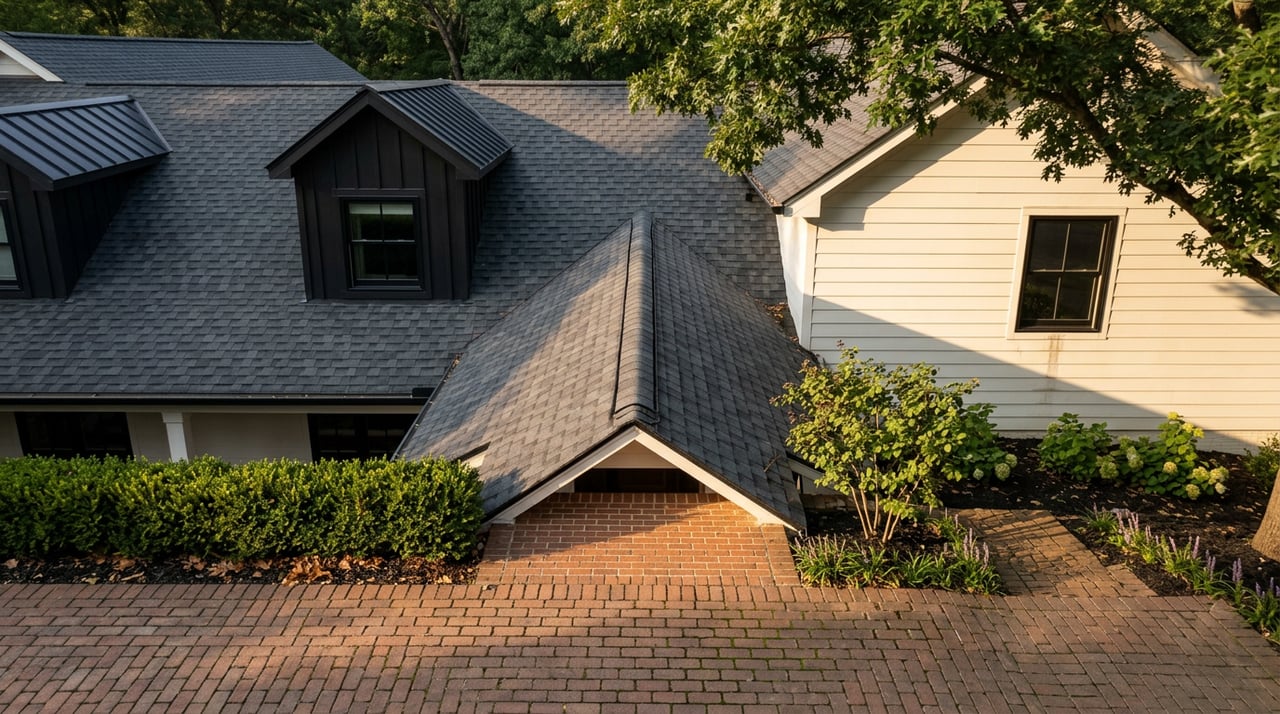
Why Two Homes On The Same Ashford Park Block Sold $1.5 Million Apart
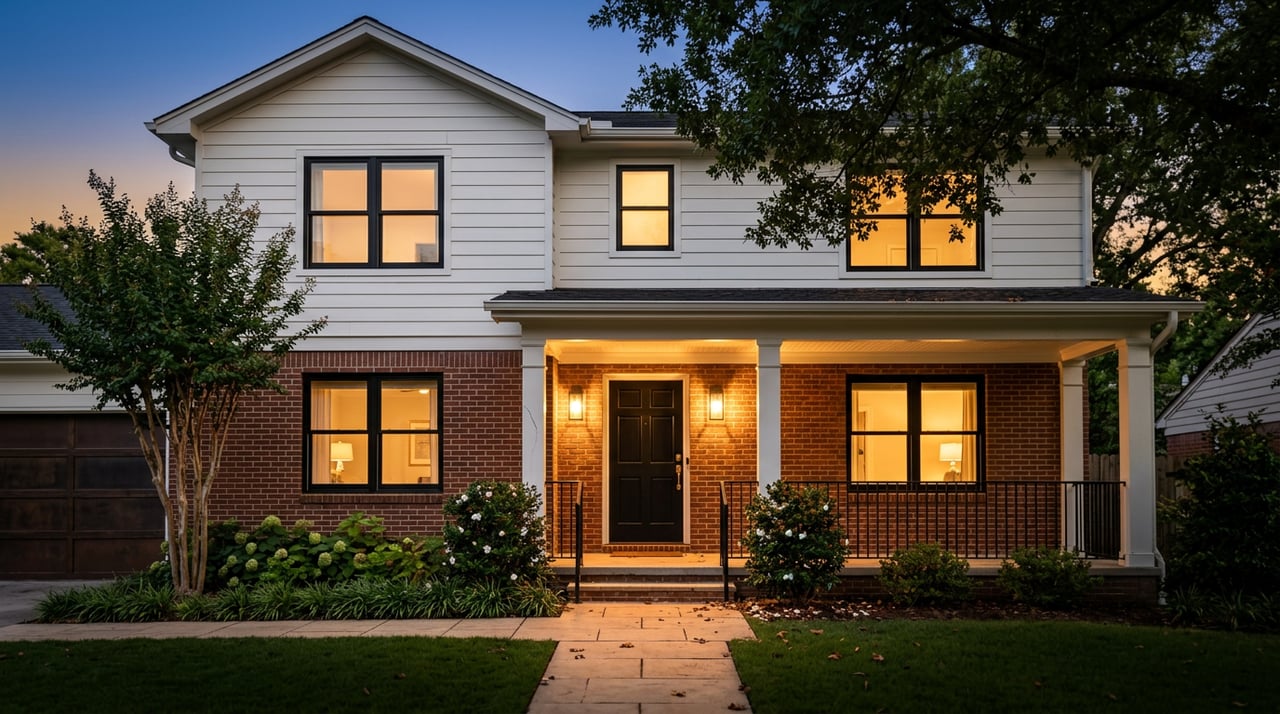
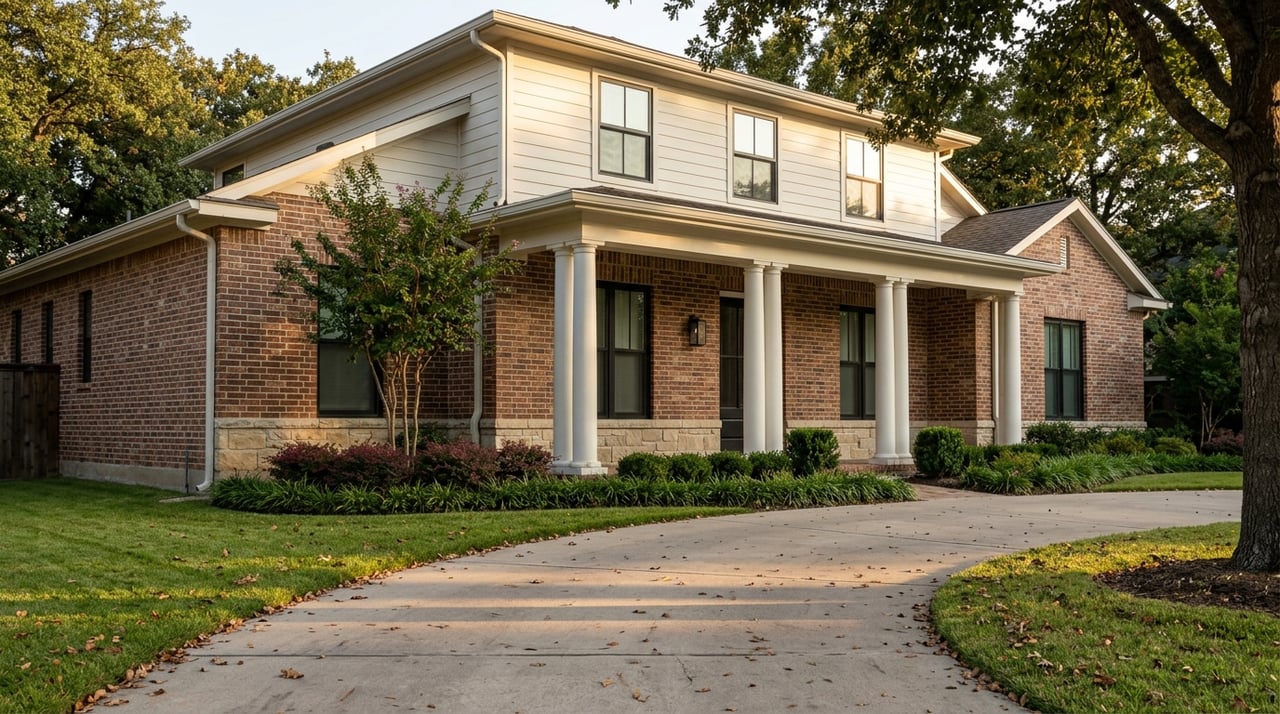
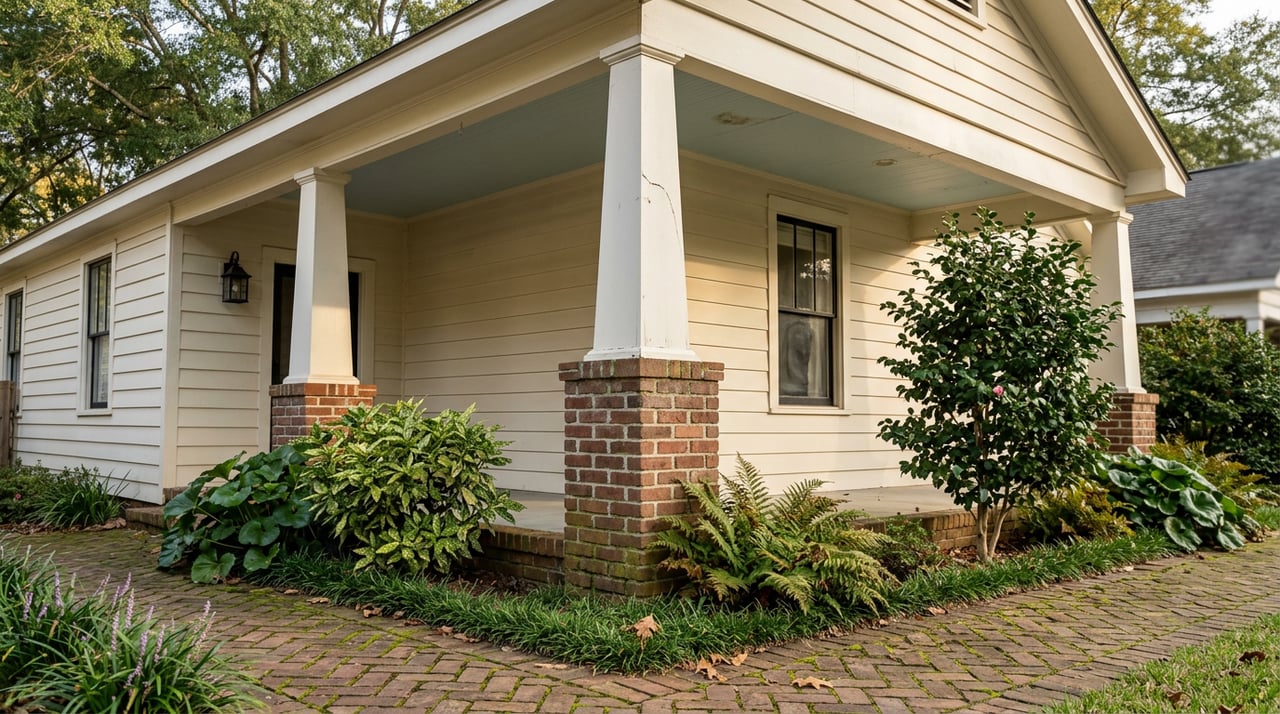
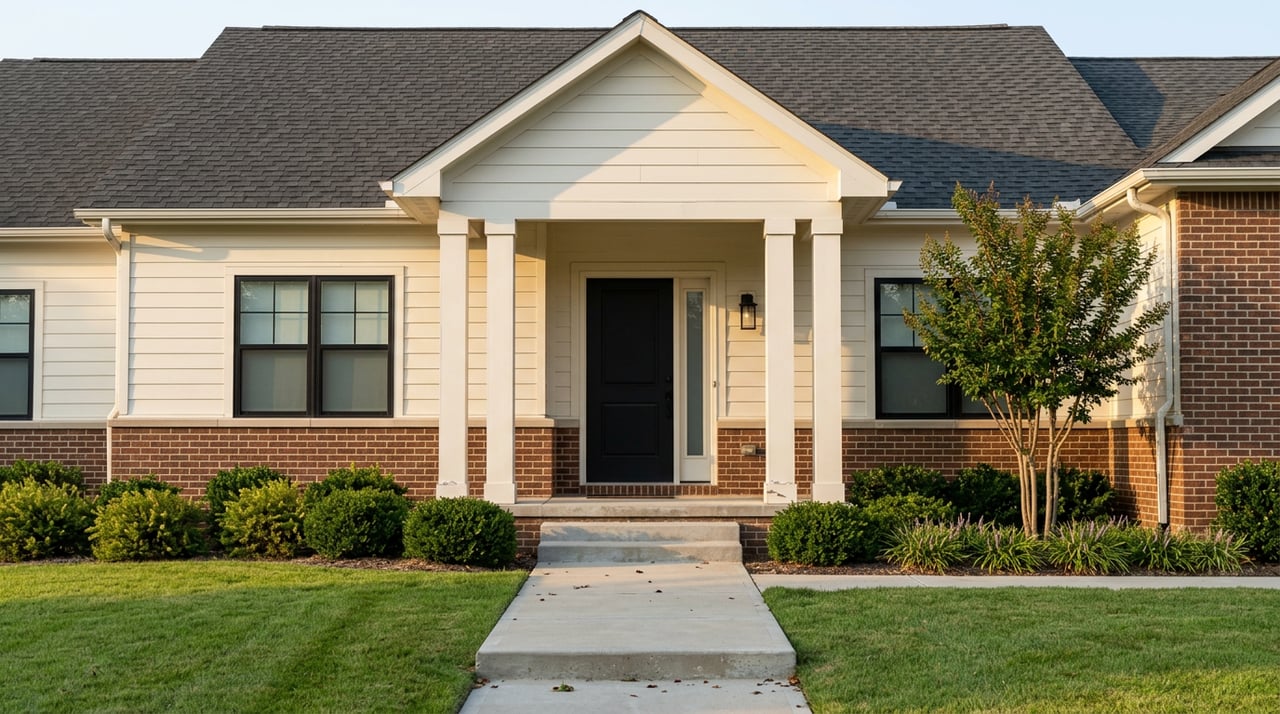
On Winding Lane in Ashford Park, two houses sit close enough to share a mail carrier. One is an all-original 1950s bungalow, siding and all, that sold within the past year for $850,000. The other is a torn-down-and-rebuilt version of a nearly identical lot, finished in new construction, that sold for $2.3 million. Same street. Same walk to Ashford Park Elementary. A gap of nearly a million and a half dollars.
If you've been shopping Brookhaven with a single median price in your head, that gap should stop you. It isn't a fluke or an outlier listing that skews the data. It's the clearest evidence of something buyers keep missing: Brookhaven's median doesn't describe one market. It describes at least three, blended into a headline number that tells you almost nothing about the specific house you're looking at.
Most buyers arrive at Brookhaven with a portal figure already in mind. Redfin's data for the three months ending June 2026 puts the median sale price at $799,000, up 6.5 percent from the same period a year earlier, with homes selling in an average of 24 days after fielding roughly two offers apiece. Zillow's separate home value index, updated at the end of July 2026, shows an average value of $753,512, up 2.9 percent over the past year, with homes going to pending in around 20 days.
Those two numbers aren't contradicting each other. They're measuring different slices of the same city. Zillow's index smooths across the entire housing stock, including thousands of homes that haven't sold or changed hands in years. Redfin's median reflects whatever actually closed in a given quarter, and in Brookhaven right now that pool is weighted heavily toward the renovated and rebuilt product moving through neighborhoods like Ashford Park, simply because that's where the transaction volume is concentrated.
Neither number tells you what a straightforward original costs versus what a torn-down rebuild costs. They tell you what the blend did.
Ashford Park itself, when you isolate it from the citywide figure, sold at a median of $899,000 over the trailing twelve months, up 7 percent from the prior year, with homes averaging 29 days on market. That number sits well above the citywide median, and it still hides the same problem one level down.
Other closed sales on nearby streets in Ashford Park and Drew Valley tell the story in raw dollars: a renovated original changed hands for $710,000, while higher-end rebuilds on comparable lots closed at $2.22 million and $2.61 million. Line those up next to the Winding Lane pair and a pattern appears.
| What sold | Approximate price | What the buyer actually bought |
|---|---|---|
| Original, untouched bungalow | $710,000 to $850,000 | A smaller footprint built decades ago, on a lot whose setbacks and coverage were set under an older code |
| Fully renovated original | Mid-$800,000s to just under $1 million | Updated systems and finishes inside the same original footprint |
| Torn-down rebuild, new construction | $2.2 million to $2.6 million+ | A larger footprint built to clear current setbacks, buffers, and lot-coverage rules, plus the finished home on top |
If you're shopping Brookhaven with one number pulled from a portal search or a friend's closing, that number is describing a blend of at least three separate products wearing the same zip code.
The gap isn't really about finish quality. A buyer paying $850,000 for the bungalow is paying for a smaller home that already fits the zoning it was built under. A buyer paying $2.3 million for the rebuild is paying for a lot that could clear the setbacks, buffers, and coverage math for a much bigger footprint, plus everything built on it. Two different transactions, wearing the same street address.
Here's the part most price comparisons skip entirely. Whether a given lot in Ashford Park or Drew Valley can support that bigger footprint isn't just a matter of money and ambition. It's governed by Brookhaven's Tree Canopy Preservation Ordinance, and that ordinance does more to shape a teardown's economics than most buyers realize before they're under contract.
Every property in the city has to maintain a minimum tree density of 130 DBH inches per acre, or a minimum canopy cover of 45 percent, in perpetuity. Removing a specimen tree requires recompense at one and a half times its diameter, on top of that baseline density requirement. Owners are capped at removing two live, non-specimen trees per property in any 18-month stretch. The city backs this up with three full-time arborists who review permits and enforce the standard.
None of this makes a rebuild impossible. It makes tree cover a measurable input into the project, not a vague aesthetic bonus. A heavily wooded lot with several specimen trees close to the buildable envelope can face real recompense costs and a longer permitting runway before a shovel goes in the ground. A lot that's already sparse, or where the mature trees sit safely outside the footprint, moves faster and cheaper. There's an administrative variance path for removing a specimen tree outside the buildable area and side setback, decided jointly by the city's Tree Canopy Preservation Manager and the Director of Community Development, but it's granted based on documented site constraints like conflicting code requirements or existing utilities, not simply because a bigger house would be nice to have.
That's the mechanism behind the Winding Lane gap. It isn't mysterious once you know where to look, and it isn't fully captured by any citywide median.
Before you measure any specific Brookhaven listing against a number you saw on a portal or heard from a friend, it helps to identify which of the three products you're actually looking at.
The blended-median problem doesn't stop at Ashford Park's edge. Historic Brookhaven, the estate corridor near Capital City Country Club, showed a neighborhood-level value above $1.8 million as of January 2026, a tier with almost nothing in common with the teardown economics playing out a mile away. Lynwood Park posted January 2026 medians topping $1 million in MLS-based snapshots of its own mix of original homes and newer infill on intact lots.
If you're comparing Brookhaven's citywide number to a median in another suburb, you're really comparing an average of several different products in Brookhaven to whatever mix exists elsewhere. The more useful comparison is narrower: find the specific submarket and product type you'd actually be buying, whether that's an original bungalow, a renovation, or new construction, and compare that slice on its own terms. A single citywide figure was never built to answer that question. It was built to answer a much blunter one, about the market in general rather than the house in front of you.
Does the tree ordinance apply the same way to every lot in Brookhaven? The minimum density and canopy standards apply citywide, but how much they affect a specific project depends on how much existing tree cover that lot already carries and where it sits relative to the buildable envelope.
How much time does tree permitting typically add to a teardown project? The ordinance requires a permit for removing any tree over 4 inches in diameter, along with a replacement or recompense plan for specimen trees, so a heavily wooded lot generally needs more lead time for arborist review than a sparse one.
Is a renovated original ever the smarter financial move over a full rebuild? It depends on the lot. A renovated original can rival new construction on a per-square-foot basis when the finishes are strong, and it sidesteps the demolition, recompense, and permitting timeline that a full rebuild carries. The right call comes down to the specific lot and your own plans for the space, not a rule of thumb.
If you're trying to figure out which Brookhaven product actually fits your budget and your plans, that's exactly the kind of comparison worth working through with someone who tracks these blocks street by street. True Atlanta Real Estate can walk you through the current Ashford Park, Drew Valley, and Historic Brookhaven comps side by side. Schedule your free consultation with Cyndi Williams to get started.

I listen to your needs and utilize the best information and market data to guide, inform and equip you with the best negotiation position. From the first phone consultation, I will listen intently and ask appropriate questions to ensure I understand your expectations throughout the process.