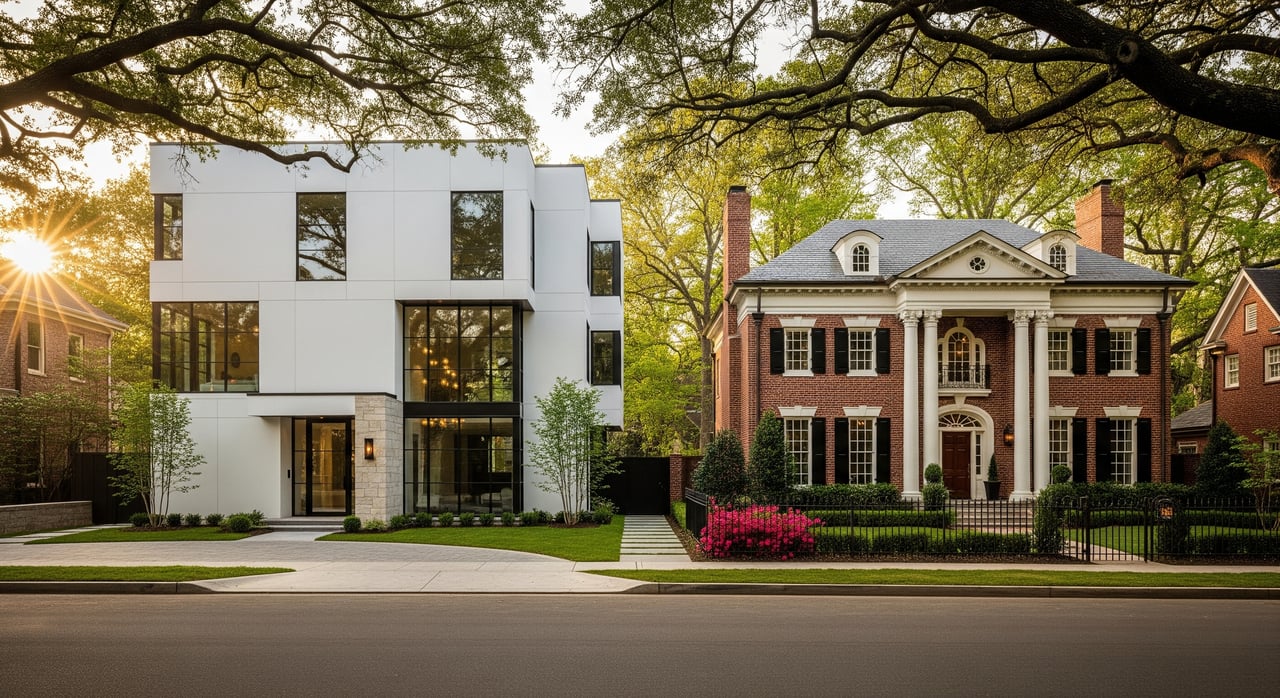
Choosing New Construction vs Resale Homes in Atlanta
Are you deciding between a brand‑new home and a charming resale in Atlanta? You are not alone. Buyers across Fulton County often weigh modern features and warranties against established neighborhoods and faster timelines. In this guide, you will learn how pricing, incentives, timelines, inspections, financing, and commutes stack up so you can choose with confidence. Let’s dive in.
Choosing between new construction and resale is about matching the home to your priorities. In Atlanta, your decision often comes down to commute, timing, budget, and risk tolerance.
New construction typically offers:
Resale typically offers:
With new construction, the “sticker” you see rarely reflects the final price. You will start with a base price, then add any lot premium, structural options, and design upgrades. Quick move‑in homes can carry a model or feature premium. Be clear on what is included versus what is an upgrade so you can plan your budget accurately.
Resale list prices reflect location, condition, recent renovations, and the age of major systems like the roof and HVAC. Because resale transactions use local comparable sales, you may have negotiation room depending on days on market and inspection findings. Your agent can help you weigh repair credits against purchase price changes.
Builders commonly offer closing cost assistance, mortgage rate buydowns, lender credits for using a preferred lender, or packages that include appliances or landscaping. These can be valuable, but incentives often have strings attached, like using the builder’s lender or closing on a specific timeline. The key is to calculate the net financial impact rather than chasing the biggest headline offer.
New homes often include efficient HVAC, insulation, windows, and appliances that can lower your utility use. Resale homes can be more affordable upfront, but you should plan for near‑term capital items like roof replacement, HVAC service or replacement, water heaters, electrical updates, or moisture remediation if needed. A side‑by‑side monthly cost comparison should include your mortgage payment, HOA dues, typical utilities, and expected maintenance.
From contract to closing, a new home can take several months to a year depending on permitting, site prep, and build progress. Delays are common during busy seasons or when materials and labor are tight. “Spec” or quick move‑in homes are the exception and can shorten your timeline.
Resale closings often occur within 30 to 60 days for traditional financing. Cash purchases can move even faster. If timing is critical for you, resale can reduce uncertainty and help you match a specific move‑in date.
For resale, you will hire an independent inspector and typically include inspection and appraisal contingencies in your contract. Inspection results can be used to negotiate repairs or credits. Always order specialty inspections if red flags appear, like structural concerns or moisture issues.
For new builds, plan independent inspections at key milestones, especially pre‑drywall to review framing and mechanicals, and again just before closing. Some builders limit third‑party access or specify how issues are handled, so careful contract review matters. Document your final walk‑through punch list and confirm how and when items will be completed.
Most new homes come with a typical warranty structure that includes workmanship coverage for about one year, systems coverage for about two years, and structural coverage that commonly extends to ten years, often through a third‑party provider. Get the warranty terms in writing, understand the claims process, and schedule a month‑11 inspection to catch items before the first‑year coverage ends. Resale homes do not include a new‑home structural warranty, though you can purchase an optional home warranty for the first year.
Many builders tie incentives to using their in‑house or preferred lender. That can work well, but it is smart to compare total costs and terms with outside lenders. Look beyond the credit amount to your interest rate, fees, and long‑term payments. Choose the option that offers the best net benefit.
New construction may involve a construction‑to‑permanent loan if you are not buying a spec home, or the builder may carry construction financing and sell you the home at completion. Timelines affect rate locks, so discuss lock periods and extensions up front. For resale, standard purchase mortgages are more straightforward. FHA and VA financing can work for new construction and resale, as long as the builder and lender meet program rules. USDA loans may apply in eligible rural or exurban locations.
Heading east from the Downtown and Midtown core toward areas like Decatur, Avondale, Tucker, and Lithonia, you will see a trade‑off between proximity and newness. Closer‑in neighborhoods often offer shorter commutes and potential MARTA access. Farther east, newer subdivisions can offer larger lots and modern community amenities, but you may rely more on your car and face longer drive times.
South of the core toward South Fulton and beyond, new construction frequently delivers affordability and amenities like pools and trails. The trade‑off is a longer freeway commute, especially around I‑75 and I‑85 interchanges, and fewer transit options in many communities. If you work in the core, factor in peak‑hour congestion and travel variability.
Run multiple drive tests at different times of day, including one during peak traffic and one during off‑peak. If transit matters to you, map access to MARTA routes and park‑and‑ride options. Consider how future development could change traffic patterns over time.
Choose new construction if you prioritize modern layouts, energy efficiency, and low near‑term maintenance, and you can accommodate a longer timeline. This can be a strong fit if you want larger lots or amenities more common in newer master‑planned communities.
Choose resale if you value a faster close, want to be closer to employment centers and amenities, appreciate established neighborhoods, or prefer the potential for price negotiation. This can be ideal if you want predictability on timing and the charm of character homes.
Here is a quick checklist to get started:
When you are ready to tour new communities and compare them with resale options in Atlanta and Fulton County, reach out to a local, process‑driven advisor. If you want a calm, organized guide who will protect your interests from first showing to closing, connect with Cyndi Williams to schedule your free consultation.



I listen to your needs and utilize the best information and market data to guide, inform and equip you with the best negotiation position. From the first phone consultation, I will listen intently and ask appropriate questions to ensure I understand your expectations throughout the process.